Skip to content

Movember: prevention and early diagnosis for men’s health

November brings men’s health back into the spotlight with Movember, the global awareness campaign encouraging men to take proactive control of their well-being and overcome the common tendency to delay check-ups and medical visits.

Globally, men live on average about six years less than women, often due to causes that are largely preventable or treatable through early diagnosis.

A significant cultural factor compounds this issue: men visit doctors less frequently, postpone screenings, and often find it difficult to voice physical or psychological discomfort.

Movember addresses this care gap by promoting awareness, research, and healthcare programs dedicated to the primary areas of men’s healthcare: urological cancers, men’s mental health, and healthy lifestyle habits.

Key pillars of men's health prevention

The top priorities of the Movember awareness campaign include prostate cancer, testicular cancer, mental health, and suicide prevention.

While these areas differ, they share a critical element: the ability to intervene early, before symptoms significantly compromise quality of life.

Prostate cancer is the most frequently diagnosed cancer among men in Italy: in 2024, approximately 40,192 new cases were estimated, representing about one-fifth of all male cancer diagnoses*. In its early stages, the disease is often completely asymptomatic. Urinary symptoms generally appear only when the cancer is more advanced and can also stem from benign conditions, such as benign prostatic hyperplasia (BPH). For this reason, effective prevention cannot rely on waiting for symptoms to appear.

*Fonte: Airc.

Less frequent yet equally critical is testicular cancer. It represents the most common malignancy among young men aged 15 to 34, boasting a 5-year survival rate exceeding 95% when early cancer detection occurs. Knowing your body and promptly reporting any changes to a physician (such as a testicular lump, swelling, or changes in texture) enables rapid specialist evaluation.

In Italy in 2023, 77% of the 3,741 suicide deaths involved men. Persistent low mood, irritability, sleep disruptions, loss of interest, and social withdrawal are clinical signs of male depression that must never be ignored.

A healthy lifestyle and regular health screenings are too often overlooked. Consistent physical exercise, a balanced diet, smoking cessation, and moderate alcohol consumption form the cornerstones of preventive healthcare. Periodic monitoring of blood pressure, blood glucose levels, and lipid profiles completes this foundation, facilitating early intervention for metabolic or cardiovascular imbalances.

Prostate cancer: a comprehensive overview

When discussing men’s preventive care, prostate cancer warrants dedicated attention due to its high incidence and the diagnostic precision required.

Over 40,000 new cases are diagnosed annually in Italy, with incidence rising sharply after age 50: roughly two out of three tumors are diagnosed in individuals over 65. Age remains the primary non-modifiable risk factor. A family history (having a first-degree relative with prostate cancer) roughly doubles relative risk, while two or more cases in the family can increase risk by 3 to 6 times (*Source: AIRC).

There is no one-size-fits-all screening protocol: assessment must be personalized, guided by age, clinical history, family risk factors, and PSA levels (prostate-specific antigen). An experienced urologist determines the most suitable diagnostic pathway on a case-by-case basis: a specialist urological examination, PSA blood test, routine blood panels, and advanced diagnostic imaging when necessary.

In this video, Dr. Damiano Bracchitta, urologist at MiniHospital, explains why prostate cancer prevention must begin with an individualized clinical assessment and outlines the modern tools available for early diagnosis.

Advanced prostate diagnostic tools

When an initial evaluation indicates potential risk (such as elevated PSA levels or an abnormality detected during a physical exam), advanced imaging enables targeted evaluation while avoiding unnecessary biopsies.

A multiparametric prostate MRI (mpMRI) provides detailed tissue characterization of the gland by combining morphological and functional imaging sequences. It identifies suspicious lesions and categorizes them using the PI-RADS score (grades 1 to 5). In accordance with European and AIOM clinical guidelines, mpMRI is recommended prior to a biopsy for patients with PSA values between 3 and 10 ng/mL.
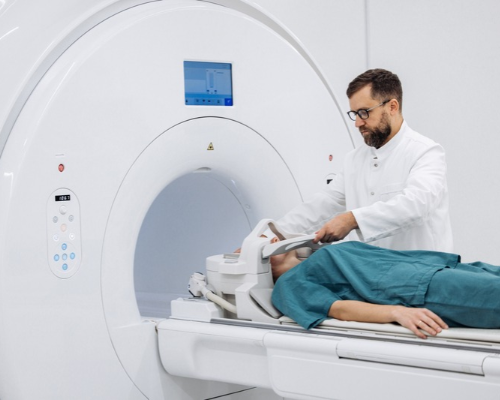
A multiparametric prostate MRI (mpMRI) provides detailed tissue characterization of the gland by combining morphological and functional imaging sequences. It identifies suspicious lesions and categorizes them using the PI-RADS score (grades 1 to 5). In accordance with European and AIOM clinical guidelines, mpMRI is recommended prior to a biopsy for patients with PSA values between 3 and 10 ng/mL.
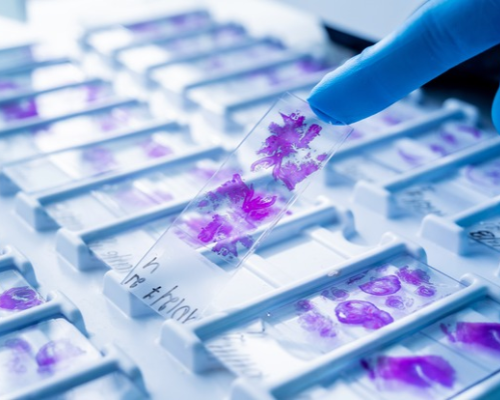
Prostate fusion biopsy represents the latest standard in targeted tissue sampling. It overlays mpMRI findings onto real-time transrectal ultrasound (TRUS) images, guiding needles directly into high-suspicion lesions. This targeted technique enhances the detection rate of clinically significant cancers while reducing the overdiagnosis of indolent tumors. Performed under local anesthesia, it typically involves 4 to 6 targeted tissue samples.
Prostate fusion biopsy represents the latest standard in targeted tissue sampling. It overlays mpMRI findings onto real-time transrectal ultrasound (TRUS) images, guiding needles directly into high-suspicion lesions. This targeted technique enhances the detection rate of clinically significant cancers while reducing the overdiagnosis of indolent tumors. Performed under local anesthesia, it typically involves 4 to 6 targeted tissue samples.

Dr. Damiano Branchitta explains what it is prostate fusion biopsy and how it works.

These diagnostic tools should never be evaluated in isolation. Results are synthesized alongside clinical history, physical findings, and previous lab work within a shared decision-making framework between patient and specialist.

Men's health and prevention at MiniHospital

At MiniHospital “Sandro Pertini” in Capannoli, men’s healthcare is structured around an integrated multidisciplinary model bringing together expertise in urology, advanced diagnostic imaging, and psychological support.

This integrated approach supports the patient from baseline risk assessment through comprehensive diagnostic workups, ensuring complete continuity of care within a single healthcare facility.

Available clinical services include multiparametric prostate MRI and, when clinically or radiologically indicated, MRI-guided prostate fusion biopsy.

Take charge of your health

Optimal men’s health starts long before symptoms develop: through proactive check-ups, awareness of physical changes, mental well-being support, and seeking medical guidance whenever necessary.

Do not postpone your health. Prioritize preventive care today.

For more informations, contact us.

Movember: prevention and early diagnosis for men’s health

November brings men’s health back into the spotlight with Movember, the global awareness campaign encouraging men to take proactive control of their well-being and overcome the common tendency to delay check-ups and medical visits.

Globally, men live on average about six years less than women, often due to causes that are largely preventable or treatable through early diagnosis.

A significant cultural factor compounds this issue: men visit doctors less frequently, postpone screenings, and often find it difficult to voice physical or psychological discomfort.

Movember addresses this care gap by promoting awareness, research, and healthcare programs dedicated to the primary areas of men’s healthcare: urological cancers, men’s mental health, and healthy lifestyle habits.

Key pillars of men's health prevention

The top priorities of the Movember awareness campaign include prostate cancer, testicular cancer, mental health, and suicide prevention.

While these areas differ, they share a critical element: the ability to intervene early, before symptoms significantly compromise quality of life.

Prostate cancer is the most frequently diagnosed cancer among men in Italy: in 2024, approximately 40,192 new cases were estimated, representing about one-fifth of all male cancer diagnoses*. In its early stages, the disease is often completely asymptomatic. Urinary symptoms generally appear only when the cancer is more advanced and can also stem from benign conditions, such as benign prostatic hyperplasia (BPH). For this reason, effective prevention cannot rely on waiting for symptoms to appear.

*Fonte: Airc.

Less frequent yet equally critical is testicular cancer. It represents the most common malignancy among young men aged 15 to 34, boasting a 5-year survival rate exceeding 95% when early cancer detection occurs. Knowing your body and promptly reporting any changes to a physician (such as a testicular lump, swelling, or changes in texture) enables rapid specialist evaluation.

In Italy in 2023, 77% of the 3,741 suicide deaths involved men. Persistent low mood, irritability, sleep disruptions, loss of interest, and social withdrawal are clinical signs of male depression that must never be ignored.

A healthy lifestyle and regular health screenings are too often overlooked. Consistent physical exercise, a balanced diet, smoking cessation, and moderate alcohol consumption form the cornerstones of preventive healthcare. Periodic monitoring of blood pressure, blood glucose levels, and lipid profiles completes this foundation, facilitating early intervention for metabolic or cardiovascular imbalances.

Prostate cancer: a comprehensive overview

When discussing men’s preventive care, prostate cancer warrants dedicated attention due to its high incidence and the diagnostic precision required.

Over 40,000 new cases are diagnosed annually in Italy, with incidence rising sharply after age 50: roughly two out of three tumors are diagnosed in individuals over 65. Age remains the primary non-modifiable risk factor. A family history (having a first-degree relative with prostate cancer) roughly doubles relative risk, while two or more cases in the family can increase risk by 3 to 6 times (*Source: AIRC).

There is no one-size-fits-all screening protocol: assessment must be personalized, guided by age, clinical history, family risk factors, and PSA levels (prostate-specific antigen). An experienced urologist determines the most suitable diagnostic pathway on a case-by-case basis: a specialist urological examination, PSA blood test, routine blood panels, and advanced diagnostic imaging when necessary.

In this video, Dr. Damiano Bracchitta, urologist at MiniHospital, explains why prostate cancer prevention must begin with an individualized clinical assessment and outlines the modern tools available for early diagnosis.

Advanced prostate diagnostic tools

When an initial evaluation indicates potential risk (such as elevated PSA levels or an abnormality detected during a physical exam), advanced imaging enables targeted evaluation while avoiding unnecessary biopsies.

A multiparametric prostate MRI (mpMRI) provides detailed tissue characterization of the gland by combining morphological and functional imaging sequences. It identifies suspicious lesions and categorizes them using the PI-RADS score (grades 1 to 5). In accordance with European and AIOM clinical guidelines, mpMRI is recommended prior to a biopsy for patients with PSA values between 3 and 10 ng/mL.

A multiparametric prostate MRI (mpMRI) provides detailed tissue characterization of the gland by combining morphological and functional imaging sequences. It identifies suspicious lesions and categorizes them using the PI-RADS score (grades 1 to 5). In accordance with European and AIOM clinical guidelines, mpMRI is recommended prior to a biopsy for patients with PSA values between 3 and 10 ng/mL.

Prostate fusion biopsy represents the latest standard in targeted tissue sampling. It overlays mpMRI findings onto real-time transrectal ultrasound (TRUS) images, guiding needles directly into high-suspicion lesions. This targeted technique enhances the detection rate of clinically significant cancers while reducing the overdiagnosis of indolent tumors. Performed under local anesthesia, it typically involves 4 to 6 targeted tissue samples.

Prostate fusion biopsy represents the latest standard in targeted tissue sampling. It overlays mpMRI findings onto real-time transrectal ultrasound (TRUS) images, guiding needles directly into high-suspicion lesions. This targeted technique enhances the detection rate of clinically significant cancers while reducing the overdiagnosis of indolent tumors. Performed under local anesthesia, it typically involves 4 to 6 targeted tissue samples.

Dr. Damiano Branchitta explains what it is prostate fusion biopsy and how it works.

These diagnostic tools should never be evaluated in isolation. Results are synthesized alongside clinical history, physical findings, and previous lab work within a shared decision-making framework between patient and specialist.

Men's health and prevention at MiniHospital

At MiniHospital “Sandro Pertini” in Capannoli, men’s healthcare is structured around an integrated multidisciplinary model bringing together expertise in urology, advanced diagnostic imaging, and psychological support.

This integrated approach supports the patient from baseline risk assessment through comprehensive diagnostic workups, ensuring complete continuity of care within a single healthcare facility.

Available clinical services include multiparametric prostate MRI and, when clinically or radiologically indicated, MRI-guided prostate fusion biopsy.

Take charge of your health

Optimal men’s health starts long before symptoms develop: through proactive check-ups, awareness of physical changes, mental well-being support, and seeking medical guidance whenever necessary.

Do not postpone your health. Prioritize preventive care today.

For more informations, contact us.

Le ultime news

The latest news

Quanto è importante la postura (1)

Neck or lower back pain, a feeling of instability, muscle stiffness, or difficulty during certain…

20260727_minihospital_NL_dormire male_1695x1131px

Summer inevitably changes our habits. Days get longer, schedules become more flexible, and bedtime often…

20260727_minihospital_NL_radiologia interventistica_1695x1131px

Spine or joint pain can severely limit your mobility, independence, and overall quality of life…

Back To Top