Skip to content

Reconstructive surgery: restoring form and function after surgery or trauma

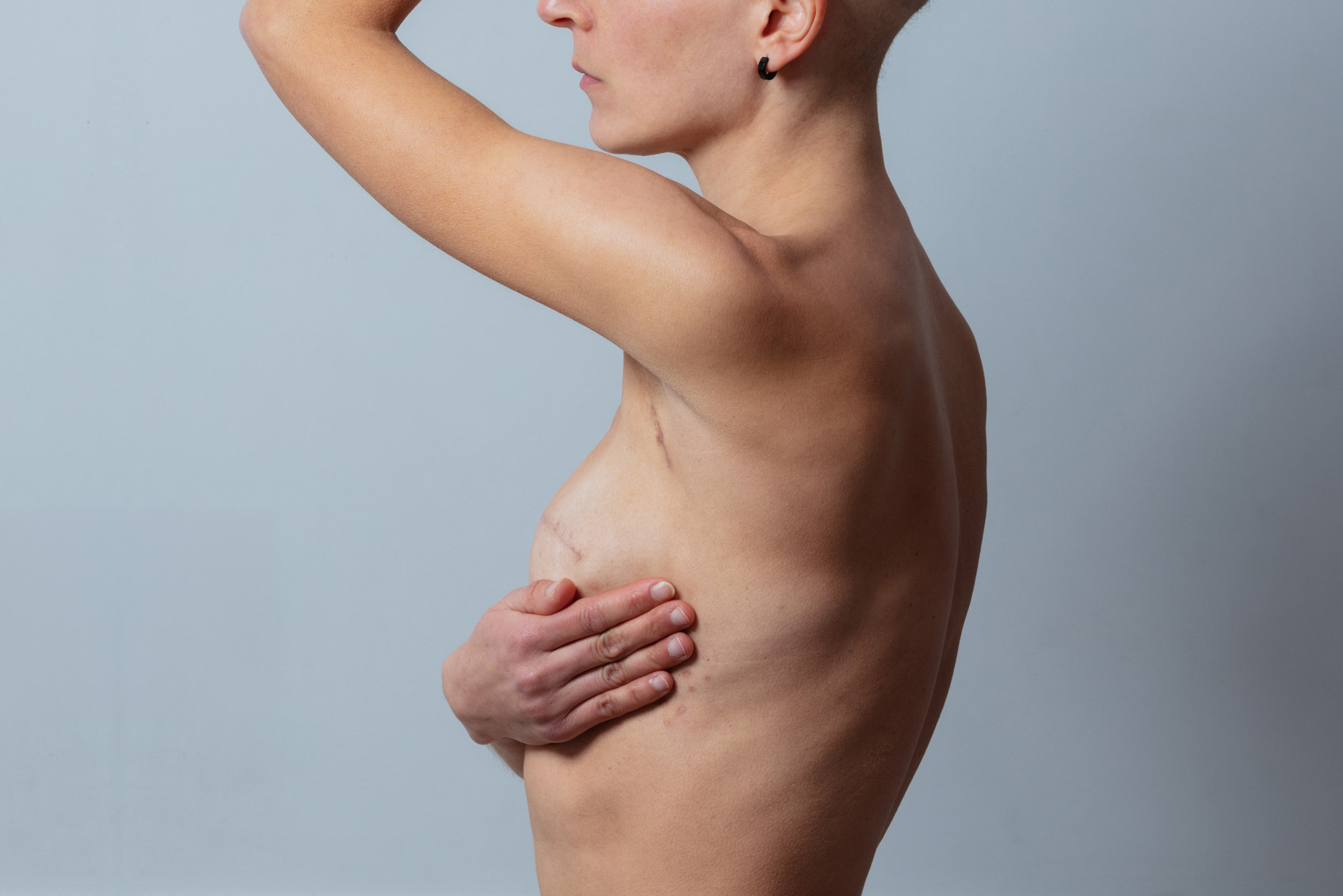
Following oncological surgery, trauma, or a skin lesion, the body may undergo changes affecting both tissue structure and function.

In these cases, reconstructive plastic surgery is not purely aesthetic; its goal is to restore the function and form of the affected areas, which also contributes to the recovery of the patient’s psychological well-being.

Today, this field is an integral part of many treatment pathways, where care does not conclude with the primary surgery but also requires the restoration of the involved structures.

In this context, reconstructive surgery allows for targeted interventions to recover compromised functionality and promote a return to normalcy.

When is reconstructive surgery indicated?

Reconstructive surgery is indicated for various conditions, even those that are highly heterogeneous, united by the need to address a loss or alteration of tissue function and structure.

The most frequent situations include:

  • the aftermath of oncological surgeries;
  • trauma, burns, or complex scars;
  • skin lesions and skin cancers;
  • congenital or acquired defects;
  • hand surgery procedures.

Added to these are more common conditions, often underestimated but nevertheless treatable with targeted approaches, such as:

  • lipomas and skin cysts, which can increase in volume or cause discomfort;
  • moles or skin lesions that need to be removed or monitored;
  • prominent or retracting scars, which can limit movement or cause discomfort;
  • the outcomes of minor trauma or previous surgeries.

In these cases, a proper and timely approach allows not only for the improvement of appearance but also for the preservation of functionality over time, reducing the risk of limitations in daily activities.

What is the goal of reconstructive surgery?

The goal of reconstructive surgery is not only to intervene anatomically but to restore an overall balance between form and function.

Depending on the case, the result can lead to:

  • greater freedom of movement;
  • a reduction in discomfort or skin tension;
  • an improvement in the appearance of the treated area;
  • a recovery of confidence in daily activities.

Every procedure is different, but the central focus remains the same: to allow the patient to feel at ease with their body again.

Reconstructive Surgery at MiniHospital

Initial evaluation

The first visit is a crucial moment: it allows for the analysis of the clinical picture, understanding the patient’s needs, and defining possible solutions. If necessary, diagnostic tests can be performed directly on-site.

Personalized surgical plan

There is no standard approach. Treatment may involve different techniques, such as the use of prostheses or autologous tissue, always chosen based on the specific case.

Surgery and recovery

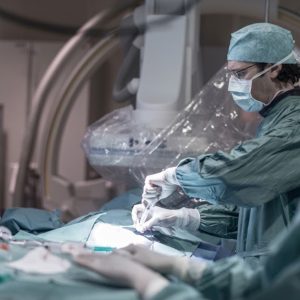
Surgeries are performed in operating rooms with high technological standards, offering the possibility of day surgery or a short hospital stay. The goal is to guarantee safety and adequate recovery times.

Follow-up

The journey continues with scheduled check-ups, which are fundamental for monitoring healing and maintaining the result over time.

A Dedicated Medical Team

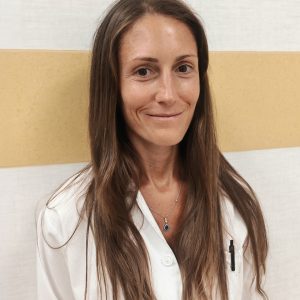
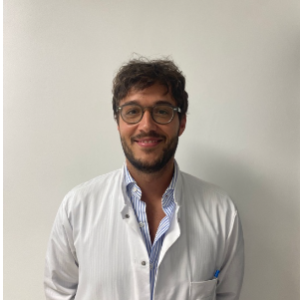
The reconstructive surgery pathway at MiniHospital is entrusted to specialists with consolidated experience: Dr. Giovanni Licata and Dr. Gianfranco Romeo.

Both operate within a structured environment where surgical expertise, clinical evaluation, and personal care are integrated to define the most appropriate treatment for each patient.
Teamwork allows every case to be addressed with a comprehensive approach, considering not only the reconstructive aspect but also functionality and the entire recovery journey.
This translates into precise and continuous care, from the initial visit through to post-operative follow-up.

Why Choose MiniHospital

Undergoing reconstructive surgery means embarking on a journey that requires clarity, coordination, and continuity of care.

By choosing MiniHospital, you can count on:

  • rapid management times
  • advanced technologies
  • effective coordination between specialists

An organized approach that simplifies every phase of the pathway and guarantees comprehensive patient care.

When to Book an Appointment

Even when in doubt—for example, regarding a skin lesion, a scar, or a growth such as a lipoma or cyst—a specialist evaluation helps you understand the available options and plan the most suitable pathway.

If you are interested in the reconstructive surgery service or wish to receive more information, please fill out the form and request an appointment.
Reconstructive surgery: restoring form and function after surgery or trauma

Following oncological surgery, trauma, or a skin lesion, the body may undergo changes affecting both tissue structure and function.

In these cases, reconstructive plastic surgery is not purely aesthetic; its goal is to restore the function and form of the affected areas, which also contributes to the recovery of the patient’s psychological well-being.

Today, this field is an integral part of many treatment pathways, where care does not conclude with the primary surgery but also requires the restoration of the involved structures.

In this context, reconstructive surgery allows for targeted interventions to recover compromised functionality and promote a return to normalcy.

When is reconstructive surgery indicated?

Reconstructive surgery is indicated for various conditions, even those that are highly heterogeneous, united by the need to address a loss or alteration of tissue function and structure.

The most frequent situations include:

  • the aftermath of oncological surgeries;
  • trauma, burns, or complex scars;
  • skin lesions and skin cancers;
  • congenital or acquired defects;
  • hand surgery procedures.

Added to these are more common conditions, often underestimated but nevertheless treatable with targeted approaches, such as:

  • lipomas and skin cysts, which can increase in volume or cause discomfort;
  • moles or skin lesions that need to be removed or monitored;
  • prominent or retracting scars, which can limit movement or cause discomfort;
  • the outcomes of minor trauma or previous surgeries.

In these cases, a proper and timely approach allows not only for the improvement of appearance but also for the preservation of functionality over time, reducing the risk of limitations in daily activities.

What is the goal of reconstructive surgery?

The goal of reconstructive surgery is not only to intervene anatomically but to restore an overall balance between form and function.

Depending on the case, the result can lead to:

  • greater freedom of movement;
  • a reduction in discomfort or skin tension;
  • an improvement in the appearance of the treated area;
  • a recovery of confidence in daily activities.

Every procedure is different, but the central focus remains the same: to allow the patient to feel at ease with their body again.

Reconstructive Surgery at MiniHospital

Initial evaluation

The first visit is a crucial moment: it allows for the analysis of the clinical picture, understanding the patient’s needs, and defining possible solutions. If necessary, diagnostic tests can be performed directly on-site.

Personalized surgical plan

There is no standard approach. Treatment may involve different techniques, such as the use of prostheses or autologous tissue, always chosen based on the specific case.

Surgery and recovery

Surgeries are performed in operating rooms with high technological standards, offering the possibility of day surgery or a short hospital stay. The goal is to guarantee safety and adequate recovery times.

Follow-up

The journey continues with scheduled check-ups, which are fundamental for monitoring healing and maintaining the result over time.

A Dedicated Medical Team

The reconstructive surgery pathway at MiniHospital is entrusted to specialists with consolidated experience: Dr. Giovanni Licata and Dr. Gianfranco Romeo.

Both operate within a structured environment where surgical expertise, clinical evaluation, and personal care are integrated to define the most appropriate treatment for each patient.
Teamwork allows every case to be addressed with a comprehensive approach, considering not only the reconstructive aspect but also functionality and the entire recovery journey.
This translates into precise and continuous care, from the initial visit through to post-operative follow-up.

Why Choose MiniHospital

Undergoing reconstructive surgery means embarking on a journey that requires clarity, coordination, and continuity of care.

By choosing MiniHospital, you can count on:

  • rapid management times
  • advanced technologies
  • effective coordination between specialists

An organized approach that simplifies every phase of the pathway and guarantees comprehensive patient care.

When to Book an Appointment

Even when in doubt—for example, regarding a skin lesion, a scar, or a growth such as a lipoma or cyst—a specialist evaluation helps you understand the available options and plan the most suitable pathway.

If you are interested in the reconstructive surgery service or wish to receive more information, please fill out the form and request an appointment.
Le ultime news

The latest news

Vertigini - un sintomo da non sottovalutare - MiniHospital

It is common to describe it simply as "dizziness," but vertigo is a more complex…

Visita endocrinologica

Endocrinology is the branch of medicine that deals with endocrine glands and hormones, which regulate…

hipster-beard-man-with-a-headache-2025-10-16-04-13-52-utc (1) (1)

Headache is one of the most common symptoms in clinical practice, and tends to be…

Vertigini - un sintomo da non sottovalutare - MiniHospital

It is common to describe it simply as "dizziness," but vertigo is a more complex…

Visita endocrinologica

Endocrinology is the branch of medicine that deals with endocrine glands and hormones, which regulate…

hipster-beard-man-with-a-headache-2025-10-16-04-13-52-utc (1) (1)

Headache is one of the most common symptoms in clinical practice, and tends to be…

Back To Top